In the first part of a two-part episode, Mo talks with DeAnn Alcantara Thompson and Sid Jordan about Mapping Prevention, a community participatory action research project that helped shape the direction of prevention funding in King County, WA. Learn more about Mapping Prevention Dakota Camacho: https://www.dakotacamacho.com/ Darin Dorsey: https://www.rootingmovements.org/about-us The Coalition to End Gender-Based Violence:...
Just as people must be able to communicate in the language most comfortable for them, it’s vital that people are able to choose the words and terms used to define them. Language access includes accessibility to gender identity terms, consent language, and even legal vocabulary that pertain to survivor’s rights and options. For example, without...
When we speak on language access, many people automatically assume there must be a non-English language involved. This is incorrect. For English speakers, the literacy rate for adults across the U.S. averages 88%. This means there is a larger population of people who are unable to access the key takeaways from vital content like safety...
There are more than 350 languages spoken in the United States other than English, spoken by one in five Americans. 75% of all English speakers in the world are non-native speakers. And yet, despite how common non-English and English as a Second Language (ESL) speakers are and the foundation of the United States as an...
Language is not just words- it’s also culture. Concerns of access don’t encompass linguistic understanding only, but must also include awareness of the social norms within a community that may create unique issues or barriers. When we assume that all groups of people experience and heal from harm in the same way, it not only...
Non-Verbal, Deaf and DeafBlind Survivors Throughout our history, the most vulnerable among us have been left out of important violence prevention conversations due to real or perceived barriers to language access. People with disabilities have been among the most highly impacted by inadequate language access, including but not limited to non-verbal survivors, deafblind, and hearing...
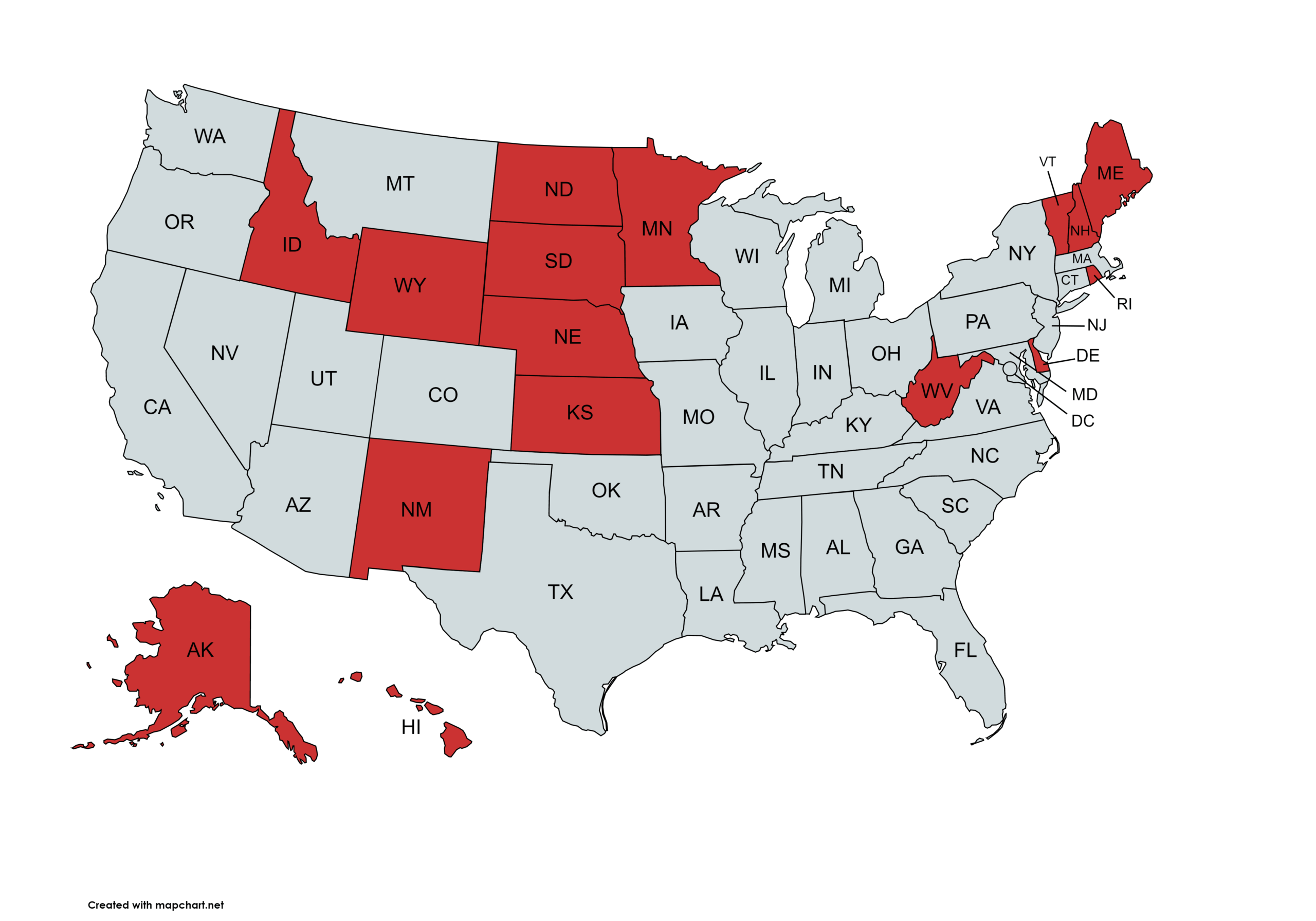
According to the U.S. Census, over 22 million people living in the United States speak a language other than English at home. This means that if non-English speakers all lived in one state, they would be the third most populated state in the country. That’s more people than Wyoming, Vermont, Alaska, North Dakota, South Dakota,...
Highlighted Resource The following resources are a must have for rape crisis centers and advocates to have available in their center to make it easier to understand what a person’s first language is. They can be shown to a survivor who can then point to their language. The use of these tools can minimize the...
This brief provides information on the impact of COVID-19 on Rape Prevention and Education programs and how they adapted during the first year of the pandemic.
Nulla vitae elit libero, a pharetra augue. Nulla vitae elit libero, a pharetra augue. Nulla vitae elit libero, a pharetra augue. Donec sed odio dui. Etiam porta sem malesuada.