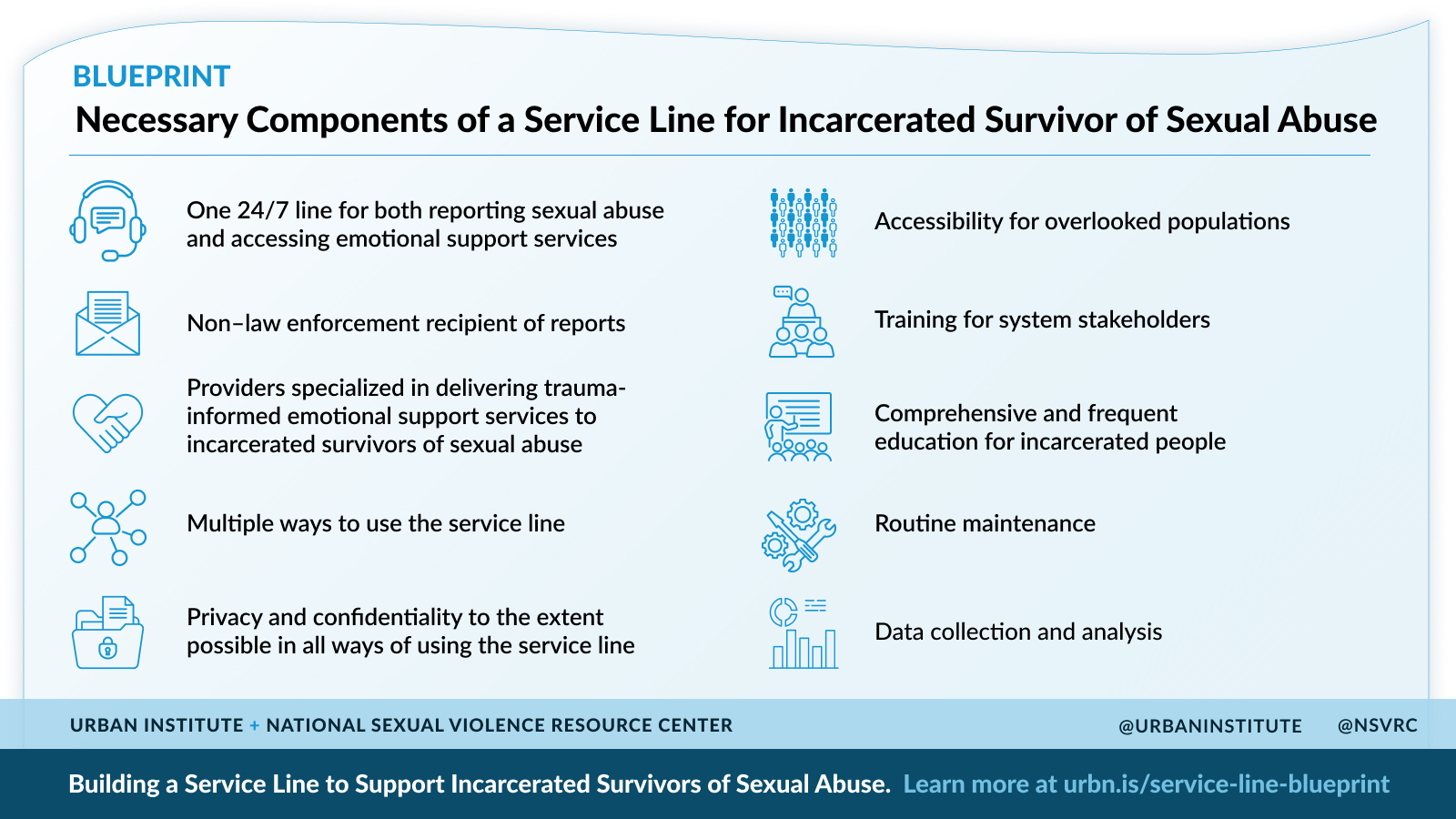
Sexual abuse and harassment in US correctional facilities remains a critical issue, with thousands of cases reported annually. These incidents are significantly underreported, however, owing to barriers including fear of retaliation, stigma, and lack of confidentiality. In 2003, lawmakers passed the Prison Rape Elimination Act (PREA) with unanimous, bipartisan support and charged the National Prison...
Offering services that provide healing for our clients is one of the core functions of a sexual assault center. Maybe you’re seeking to provide services that are more relevant to the needs and experiences of male survivors, or maybe you’re noticing that not a lot of men are using the services your center provides. As...
Your sexual assault center will best serve the community when it has strong partnerships. Strong partnerships can lead to cross-training, where two or more organizations train each other on each of your areas of expertise. This can help ensure that everyone’s service delivery and community engagement is relevant to the people you’re trying to reach....
Just Detention International and the Resource Sharing Project has provided a guide that stresses the importance of in-person work within corrections facilities. “Since the release of national standards to address sexual abuse in detention — as mandated by the Prison Rape Elimination Act (PREA) — advocates have been called upon more than ever to assist...
From the Prison Rape Elimination Act (PREA) Toolkit, this guide discusses the prevention of sexual violence against LGBTI detainees. It addresses both policy change and practices that correctional facilities can incorporate. Publish Date 2014
This PCAR information packet is designed for sexual violence advocates to learn more about working with prisons. In 2003, the Prison Rape Elimination Act (PREA) was passed, and the PREA standards for corrections were introduced in May 2012. This packet will help advocates prepare to work with prisons as they implement PREA standards. The packet includes:...
Presents data from the 2012 National Survey of Youth in Custody (NSYC), conducted in 326 juvenile confinement facilities between February and September 2012, with a sample of 8,707 adjudicated youth. The report ranks facilities according to the prevalence of sexual victimization, as required under the Prison Rape Elimination Act of 2003 (P.L. 108-79). The prevalence...
Este “resumen internacional” de Just Detention International discute abuso sexual en prisión, “una crisis global de los derechos humanos”. Este recurso está disponible en ocho idiomas. Publish Date
Nulla vitae elit libero, a pharetra augue. Nulla vitae elit libero, a pharetra augue. Nulla vitae elit libero, a pharetra augue. Donec sed odio dui. Etiam porta sem malesuada.