The NSVRC collects information and resources to assist those working to prevent sexual violence and to improve resources, outreach and response strategies. This page lists resources on this website that have been developed by NSVRC staff.
The COVID-19 pandemic deeply impacted and continues to impact our communities. In order to meet the needs of the changing landscape of learning, many curricula and interventions have provided virtual adaptation guidance and resources to their implementers. In addition to consulting the guidance below, implementers are encouraged to contact their funder and use guidance outlined […]
On this podcast, Sally Laskey, NSVRC Evaluation Coordinator talks to collaborative partners from PhotoVoice Worldwide and local preventionists in Ohio that worked with the Ohio Alliance to End Sexual Violence in creating a culturally responsive and anti-violence centric toolkit on how to use Photovoice in sexual violence prevention work. Participants: Sally J. Laskey, NSVRC evaluation […]
This section provides foundational information about the history of movements to end sexual violence and support survivors. It also begins to explore how the movements have evolved. This section provides an opportunity to reflect on the critical intersections of anti-sexual violence work and other social justice work.
This section is comprised of three lessons that focus on: 1. establishing group commitments that support a culture of care in the training environment, and 2. discussion of the integral nature of organizational support for staff wellbeing and strong individual self-care practices.
This section offers a brief overview of trauma-informed care, focusing on the way it shapes a program’s philosophy, culture, and services. This module will introduce the primary concepts of trauma-informed care with the goal of familiarizing participants with the tenets by which to approach advocacy work. Additional information specific to advocacy practices will be explored […]
Esta herramienta interactiva de aprendizaje presenta la prevención primaria a través de una serie de actividades para mejorar los conocimientos sobre la misma. La información cubierta incluye la historia de moverse río arriba, el Modelo Socio-Ecológico, y una exploración de las diferencias entre reducción del riesgo y prevención primaria.
This podcast is an excerpt from NSVRC’s webinar “Applying Principles Focused Evaluation in the Sexual Violence Prevention Context.” Learn the basics about how this evaluation approach was applied in Washington state, and then learn more including getting to walk through specific activities and examples by viewing the full webinar recording, webinar handouts and recording through […]
On this episode, NSVRC’s Mo Lewis talks with Maddy LaCure and Paté Mahoney about environmental and situational prevention and ways practitioners can bring this approach to their prevention efforts. Participants: Maddy LaCure, Maryland Coalition Against Sexual Assault and Paté Mahoney, Johns Hopkins Bloomberg School of Public Health
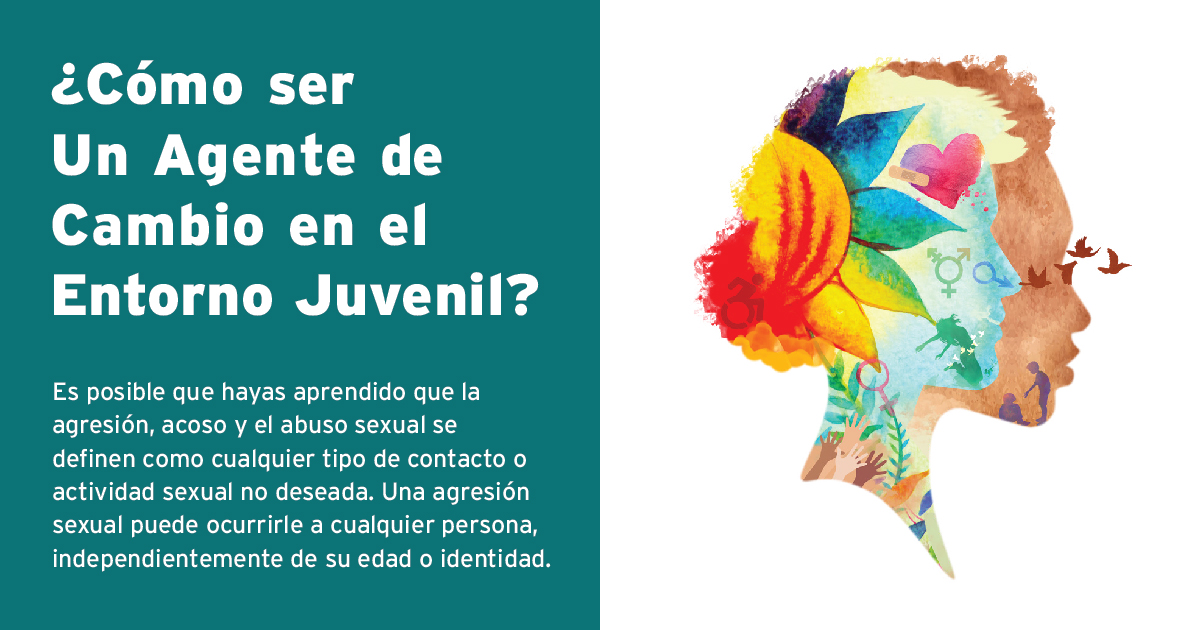
Convertirse en un agente de cambio implica tratar de tomar medidas pequeñas y sostenibles para generar una influencia positiva en el mundo a tu alrededor.
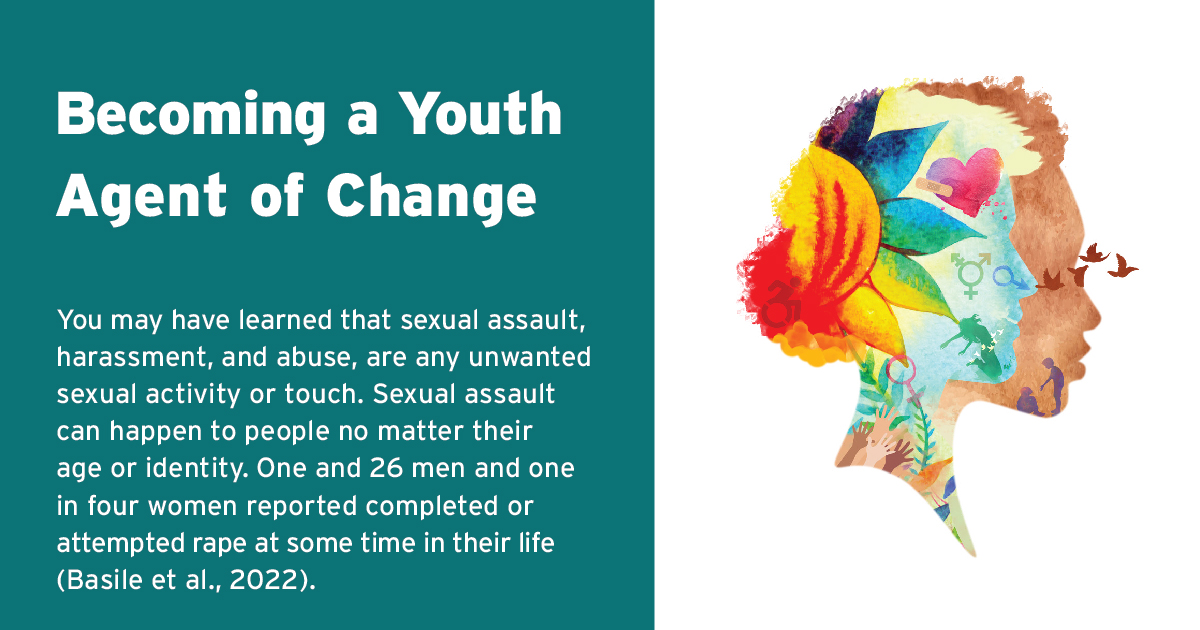
Social change happens when we shift attitudes, beliefs, and behaviors to positively address social issues. Becoming an agent of change is about taking small, sustainable steps to positively influence the world around you.