The NSVRC collects information and resources to assist those working to prevent sexual violence and to improve resources, outreach and response strategies. This page lists resources on this website that have been developed by NSVRC staff.
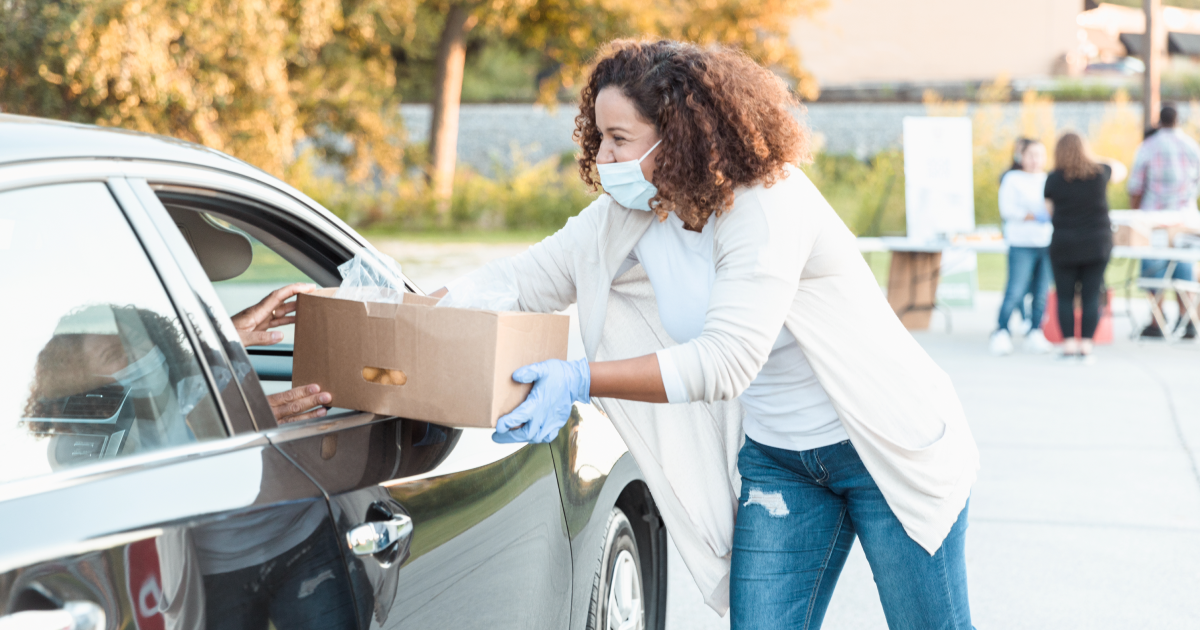
Disasters require us to re-imagine our work and how we serve survivors.
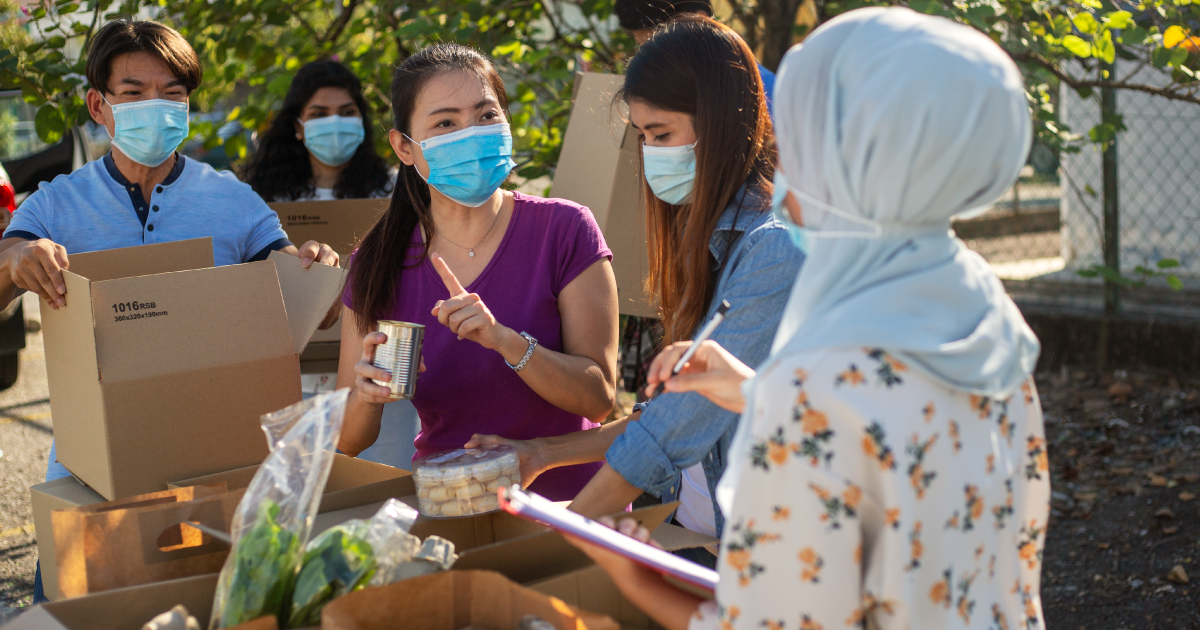
Learn how to prepare your organizations in case of a disaster.
The support of caring friends and family members can make a world of difference for survivors.
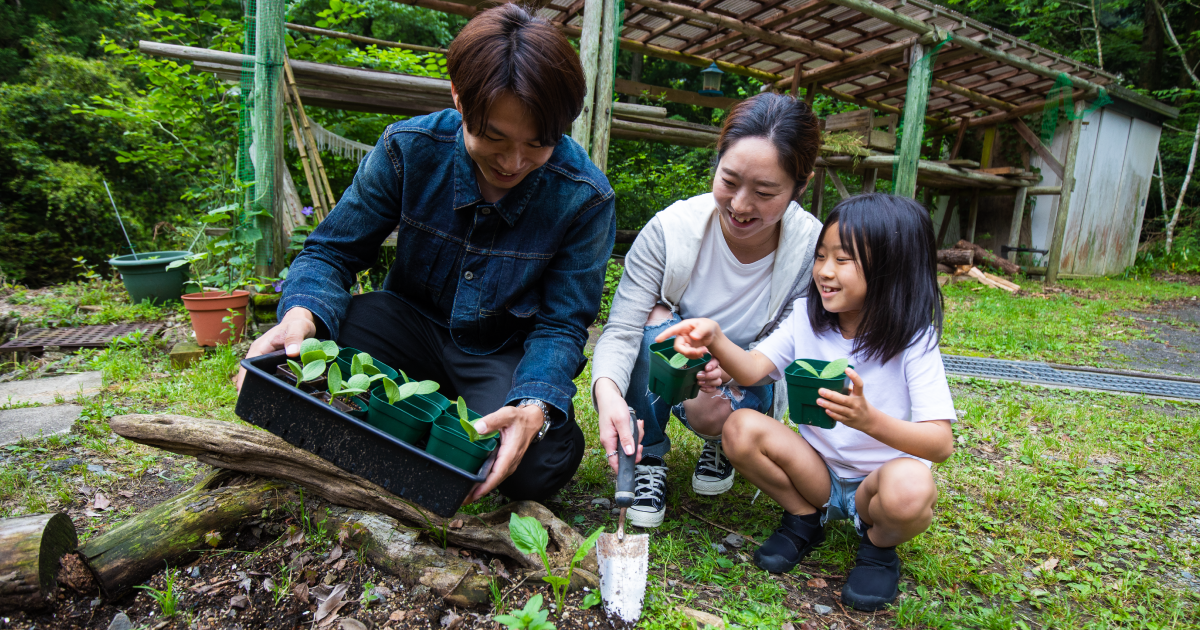
Learn how to strengthen your community organizing efforts both in and out of disasters.
This document was co-authored by staff of the National Sexual Violence Resource Center and National Resource Center on Domestic Violence, with significant input, guidance, and leadership from Black and women of color survivors and advocates. This resource makes connections between health equity and our work to prevent sexual and intimate partner violence. It centers the stories […]
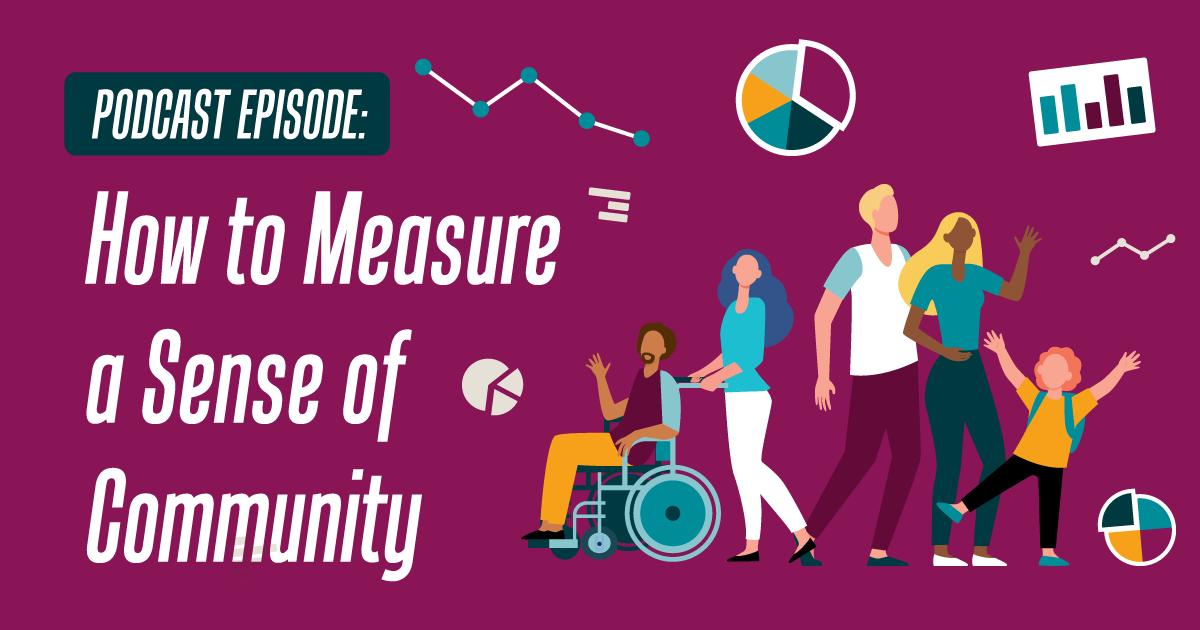
Feeling connected in your community is a protective factor against the risk of perpetrating sexual violence.
In this episode, we continue our conversation with Dr. Jennifer S. Hirsch and Dr. Shamus Khan, authors of the book Sexual Citizens.
In the first part of a two-part episode, we speak with the authors of Sexual Citizens: A Landmark Study on Sex, Power, and Assault on Campus.
The latest edition of The Resource explores how the movement to end sexual violence has adapted over the past year and a half due to COVID-19.
Sexual assault advocates and rape crisis centers can use this self-assessment tool to reflect on your current work serving men who have had unwanted sexual experiences. The tool offers reflection questions related to individual and organizational capacity to serve male survivors. This resource is part of Working with Male Survivors of Sexual Violence.